
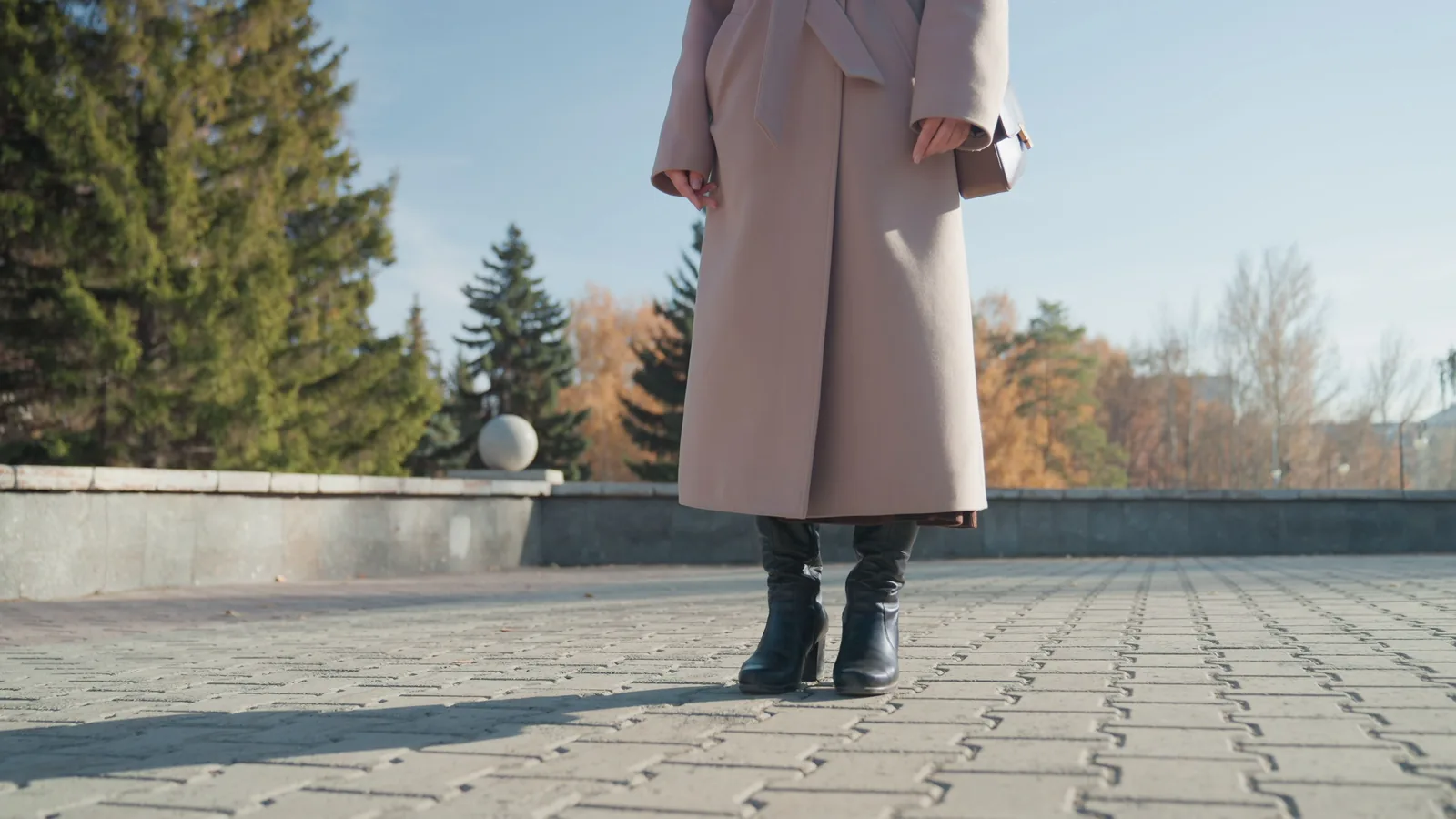
How To Layer Your Autumn Wardrobe For Unpredictable UK Weather
Autumn in the UK can swing from mild sunshine to cold rain within a single afternoon, so the goal of layering is not simply to stay warm but to stay adjustable. You build a flexible system with three working layers: a moisture-moving base, an insulating middle, and a weatherproof outer. Each layer can be added or removed as the day changes, which keeps you comfortable on a breezy morning, a bright lunchtime, and a damp evening commute without carrying a heavy coat all day.
Fast Answer
- Use three adjustable layers: a breathable base layer, a warm middle layer, and a packable waterproof outer shell you can remove when the sun appears.
- Check the forecast for wind and rain chance as well as temperature, then choose fabrics that dry quickly and pack small enough to carry when the day warms up.
Before You Start
- Check an hourly forecast the night before and again in the morning, looking at wind speed and rain chance, not just the daily high temperature.
- Choose a base layer made from a moisture-moving fabric that feels dry against your skin, and avoid heavy cotton next to your body on damp days.
- Pick a middle layer that traps warmth but fits under your outer shell without bunching at the shoulders, elbows, or waist.
- Pack a small bag or tote with a foldable waterproof outer layer, so you can add or remove protection as the weather shifts through the day.
Step-by-Step Instructions
Start with a dry, breathable base layer
Begin by putting on a base layer that sits close to your skin and moves moisture away from your body. A thin long-sleeve top in a synthetic or wool-blend fabric works well for most autumn days, while a cotton t-shirt can feel cold and clammy once you sweat. Tuck the base into your trousers or skirt so cold air does not creep up your back when you bend or reach. Check that the sleeves reach your wrists and the neckline is not too loose, because gaps let wind in and make the next layer less effective. This check matters because a base layer that fits well keeps your middle and outer layers sitting smoothly, and dry skin is the foundation of staying warm when temperatures drop later in the day.
Add a middle layer for adjustable warmth
Next, add a middle layer that traps warm air but still fits comfortably under your outer shell. A light fleece, a thin quilted jacket, or a fine-knit jumper all work, depending on how cold the morning feels. Put it on before you leave home, then plan to remove it at midday if you warm up while walking or travelling. Check that you can bend your arms, raise your hands, and reach forward without the fabric pulling tight across your back. This check matters because a middle layer that restricts movement will make you open your outer shell too early, and once your core cools down it is harder to warm up again. If the forecast shows a mild afternoon, choose the thinner option and carry the warmer one in your bag.
Choose a waterproof outer shell
Your outer layer should block rain and wind while letting sweat escape, so look for a waterproof and breathable shell rather than a heavy winter coat. Put it on and check that the hood stays up in a breeze, the zip runs smoothly, and the cuffs can be adjusted to seal around your wrists. Test the pockets to be sure they close securely and keep a phone or travel card dry. This check matters because a wet outer layer loses much of its warmth, and a shell that flaps open in the wind will chill the layers beneath it. If the day looks mostly dry, a lighter windproof layer may be enough, but keep a compact waterproof shell in your bag for sudden showers that arrive without much warning.
Protect your feet, hands, and head
Layering is not only about your torso, because heat escapes quickly through an uncovered head, cold hands, and wet feet. Choose shoes or boots with a thick sole and a water-resistant upper, and wear socks that move moisture rather than holding it against your skin. Add a thin hat or headband and a pair of light gloves that you can remove and store in a pocket when you warm up. Check that your socks are smooth inside your shoes and that nothing rubs at the heel before you walk far. This check matters because damp feet and cold hands make the whole body feel colder, and small discomforts early in the day can turn into blisters or chills later. Carry spare socks in your bag on days with heavy rain.
Adjust layers as the day changes
Once you are outdoors, treat your layers as a system you can change rather than a single fixed outfit. If you feel too warm, open the outer shell or remove the middle layer before you start to sweat heavily. If you feel a chill, add the middle layer back and close the cuffs and collar to trap warmth. Check how you feel every hour or so, especially after walking uphill, standing at a bus stop, or entering a heated building. This check matters because sweat is the main reason people feel cold later, and small adjustments early are far more effective than waiting until you are damp and uncomfortable. Keep your removed layers in a bag so your hands stay free and nothing gets left behind on a seat or bench.
Review and refine your layering system
At the end of the day, take a minute to review what worked and what you would change. Note which layer you removed first, whether your feet stayed dry, and if any item felt bulky in your bag. Check the next day's forecast and adjust your choices based on that experience, such as swapping a thick jumper for a thin fleece or adding a spare pair of socks. This check matters because a layering system improves only when you match it to your own routine, your local weather, and how much you walk or wait outdoors. Keep a small note on your phone about the combinations that felt comfortable in wind, rain, and mild sunshine so future mornings become quick and calm.
Quick Reference
| Situation | Action | Why it helps |
|---|---|---|
| Mild morning with a wet, windy afternoon forecast | Wear a light base layer and a thin middle layer, then carry a compact waterproof shell in your bag so you can add it before the rain arrives. | Starting light prevents overheating during a mild morning, while the packed shell protects you when wind and rain make the same temperature feel much colder. |
| Cold, bright morning that turns warm by early afternoon | Begin with a warm middle layer under your shell, then remove the middle layer and open the shell vents once you feel warm during your walk or commute. | Temperature can rise noticeably under clear skies, and removing a layer early stops sweat from building up, which would otherwise leave you chilled when the sun goes down. |
| Long day outdoors with standing around and short walks | Add an extra insulating middle layer, a hat, and gloves, and keep your outer shell closed while you are standing still, opening it only when you walk briskly. | Standing still reduces the heat your body produces, so extra insulation keeps your core warm, while venting during activity prevents damp clothing and later chills. |
Common Issues
- You feel cold even though you are wearing several layers: Check for gaps at the neck, wrists, and waist, because cold air moves through openings and pushes warm air out. Tuck your base layer in, close your cuffs, and add a scarf or a higher collar before adding another full layer.
- Your outer shell feels clammy inside after walking: Open the vents or the front zip for a few minutes and remove your middle layer if you are still warm. Sweat trapped inside a waterproof shell cools quickly when you slow down, so let the damp air escape before you stop moving.
- Your bag becomes heavy and bulky by midday: Choose thinner layers that pack small, roll each item tightly, and leave the heaviest item at home if the forecast is mild. A light drawstring bag keeps removed layers together and lets you carry only what the day actually requires.
Advanced Tips
- Use a thin neck gaiter instead of a bulky scarf, because it seals the collar gap without adding weight to your bag.
- Choose trousers with a water-resistant finish and a slightly loose cut so you can add a thin thermal base underneath on the coldest mornings.
- Pack a small dry bag for your phone and travel card, since a wet pocket can make an otherwise good layering system feel useless.
- Rotate two pairs of shoes through wet weeks so each pair dries fully between wears and keeps its shape and water resistance.
- Test your full layering combination on a short walk before a long day out, so you learn where it rubs, bunches, or traps heat.
Final Checklist
- Base layer fits close, feels dry against the skin, and is tucked in at the waist.
- Middle layer allows full arm movement and fits smoothly under the outer shell.
- Waterproof outer shell has a working zip, adjustable cuffs, and a hood that stays up in wind.
- Bag holds removed layers plus spare socks, and everything is dry and ready for the next changeable day.
FAQ
How many layers do I really need for a UK autumn day?
For most autumn days, three layers are enough: a breathable base layer, a middle layer that traps warmth, and a waterproof outer shell. The point is to adjust them as conditions change, so you may wear all three in the morning and only the base and shell by early afternoon. If you will stand still outdoors for a long time, add a thin extra middle layer or warmer accessories.
Should I choose wool or synthetic fabrics for layering?
Both can work well. Wool blends move moisture and stay warm when slightly damp, while synthetic fabrics dry quickly and often pack smaller. The best choice depends on your activity and how much you sweat, so try one of each on short walks and see which feels drier and more comfortable against your skin. Always check the care label before washing.
What should I check in the forecast before choosing my layers?
Look at the hourly temperature, the chance of rain, and the wind speed rather than only the daily high. Wind and rain can make a mild day feel much colder, so a waterproof shell and a slightly warmer middle layer may be wise even when the temperature looks pleasant. Check again in the morning, because autumn forecasts often change overnight.


